
Ansan Children's Orthodontics (Pediatric Orthodontics), Timing Matters for Crossbite · Habit Correction
Children’s orthodontics (also called pediatric orthodontics) is Phase 1 treatment for ages 6–12, before all permanent teeth have erupted, to address jaw growth and oral habits. An initial evaluation is recommended around age 7.
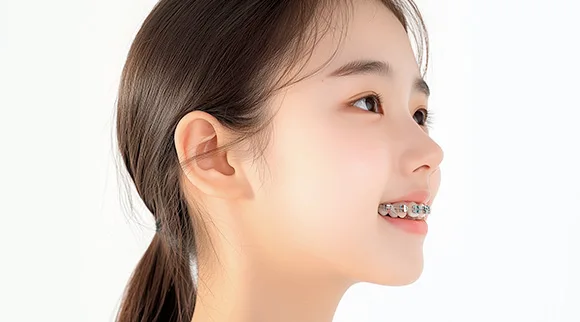
What is Children’s orthodontics?
Children’s orthodontics guides or restrains jawbone growth in growing children and improves oral habits to help prevent skeletal malocclusion from becoming more severe.
What are common signs that a child may need orthodontic treatment?
- Crossbite with a forward-positioned lower jaw (underbite tendency)
- When a narrow upper jaw causes teeth to overlap as they come in
- When sleeping with the mouth open or snoring
- Tongue thrusting between the front teeth
Why is treatment during growth important?
During growth, appliances can guide the direction of jaw growth. Once growth is complete, some concerns may be difficult to address through tooth movement alone. Diagnosis is needed first to distinguish skeletal causes from tooth-related causes.
After a precise examination, we will explain options thoroughly based on your individual needs.
How is a child’s orthodontic diagnosis performed?
We check jaw growth using a cephalometric X-ray and assess growth stage with a hand X-ray or cervical vertebral maturation. We then explain the appliance options, expected duration, and at-home care to guardians.
What criteria should I use to choose orthodontic care?
Orthodontic treatment is a long-term process lasting 1–3 years, so it is important that one provider manages your care from start to finish.
- Whether diagnosis and treatment are provided directly by a Ministry of Health and Welfare-certified board-certified orthodontic specialist
- Whether the treatment plan is explained based on a precise examination (X-rays, intraoral scan, and facial analysis)
- Whether treatment progress is shared regularly
- Whether there is a retainer and follow-up care plan after orthodontic treatment
When should children have an orthodontic checkup?
An initial checkup around ages 6–8, when the permanent front teeth erupt, can help identify jaw growth direction and any shortage of space early.
What signs suggest my child may need orthodontic treatment?
- Crossbite with lower front teeth positioned ahead of upper front teeth
- Mouth breathing and tongue-thrusting habits
- A long-lasting thumb-sucking habit
- When baby teeth fall out too early or permanent teeth come in late
- When one side of the face appears asymmetrical
What appliances are used in children's orthodontics?
Mouthpiece-style myofunctional appliances such as Preortho are generally worn during sleep and at home, and may help improve lip and tongue muscle habits. An upper jaw expander or other appliances may also be considered as needed. Not every child needs Phase 1 treatment; when monitoring is more appropriate, we recommend regular checkups.
Ansan Children's Orthodontics is planned to suit your alignment and oral condition, with progress monitored.
How will I be informed about the cost?
Details will be provided after precise diagnosis.
Costs may vary depending on the treatment scope and appliance.
Non-covered treatment fee informationFrequently asked questions
Q. Will my child’s crossbite improve on its own?
A. Some dental crossbites improve as permanent teeth come in, but skeletal crossbites may worsen with growth. Consider an examination by an orthodontic specialist to identify the cause.
Q. Are children’s orthodontics and pediatric orthodontics different treatments?
A. Children’s orthodontics and pediatric orthodontics both refer to orthodontic treatment for growing children and are the same category of care. At MIND Orthodontic Clinic, appliances and timing are planned according to symptoms and growth stage.
Q. Do children’s orthodontic appliances hurt?
A. You may feel soreness or pressure for a few days when first wearing or just after adjusting an appliance; most people adapt over time. If discomfort continues, the appliance can be adjusted at a visit.
Q. At what age should children's orthodontics begin?
A. The right time to start children's orthodontics varies by child, but an initial orthodontic checkup is recommended around age 7. Depending on the findings, treatment may be needed right away, or it may begin after monitoring growth.
Q. Will children's orthodontics eliminate the need for treatment later?
A. Phase 1 treatment may improve jaw growth and spacing concerns, potentially reducing the scope and duration of later Phase 2 treatment. Phase 2 treatment may still be needed after all permanent teeth erupt; this varies by individual.
Q. Should the Preortho appliance be worn at school?
A. Preortho is generally recommended for 1~2 hours at home and during sleep, so it usually does not significantly interfere with school. The exact wear time is advised after diagnosis based on the child’s condition.
Q. Can a guardian join the consultation?
A. We explain your child’s growth stage and how to care for their appliance to guardians. Adults can also ask questions about treatment plans and care during a consultation.
Related treatments
Discuss your precise diagnosis results and treatment and retention plan at a Ansan Children's Orthodontics consultation.
※ Treatment methods, duration, and results may vary by individual, and side effects may occur.